Author name: Digitrox marketing

Uncategorized

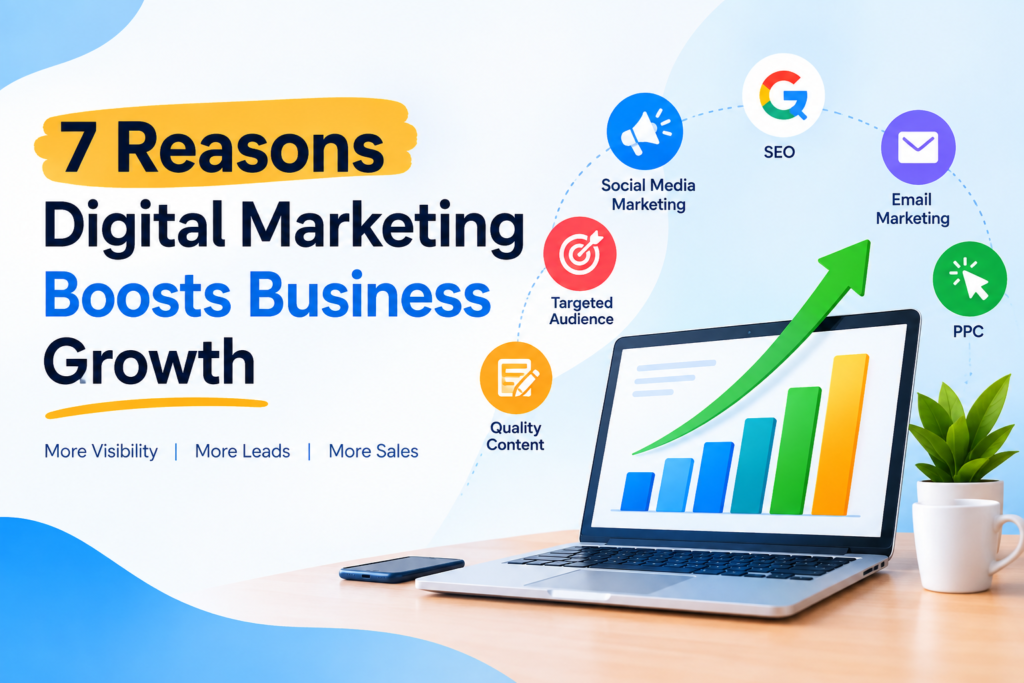
7 Reasons Why Digital Marketing Is a Game Changer for Businesses

7 Reasons Why Digital Marketing Is a Game Changer for Businesses Introduction The way businesses connect with customers has changed dramatically over the past decade. Traditional marketing methods such as newspapers, billboards, and television commercials still have their place, but they are no longer enough to meet the expectations of today’s digitally connected consumers. People now research products online, compare prices, read reviews, and interact with brands through websites and social media before making purchasing decisions. This shift has made digital marketing one of the most important tools for businesses of all sizes. Whether you run a local shop, an eCommerce store, or a multinational company, digital marketing provides opportunities to reach your ideal audience, build meaningful relationships, and generate measurable results. Unlike traditional marketing, digital marketing allows businesses to communicate directly with customers, monitor campaign performance in real time, and adjust strategies based on data. It offers flexibility, affordability, and scalability, making it an essential part of every successful business strategy. In this article, we’ll explore seven key reasons why digital marketing is a game changer for businesses and how it can help you stay ahead in an increasingly competitive marketplace. 1. Digital Marketing Helps You Reach a Global Audience One of the greatest advantages of digital marketing is its ability to remove geographical barriers. A traditional marketing campaign is often limited to a specific city or region, while digital marketing enables businesses to reach customers across the country—or even around the world. A well-designed website, optimized for search engines and supported by social media and online advertising, can attract visitors 24 hours a day. Whether someone searches for your services from a neighboring town or another continent, your business has the opportunity to be discovered. Benefits of Global Reach For small businesses and startups, this level of exposure was once impossible without significant investment. Today, digital marketing makes it achievable. 2. It Is More Cost-Effective Than Traditional Marketing Marketing budgets are often limited, especially for small and medium-sized businesses. Traditional advertising methods such as television commercials, radio spots, newspapers, and billboards can be expensive and difficult to measure. Digital marketing offers a more affordable alternative while delivering highly targeted results. Businesses can choose marketing channels based on their goals and budget, including: Because digital campaigns are measurable and adjustable, businesses can maximize their return on investment without wasting money on ineffective advertising. Cost Advantages Even businesses with modest budgets can compete effectively through smart digital marketing strategies. 3. You Can Target the Right Audience One of the biggest challenges with traditional advertising is reaching people who are genuinely interested in your products or services. Digital marketing solves this problem through precise audience targeting. Businesses can create campaigns based on: For example, a digital marketing agency can target business owners searching for SEO services, while an online clothing store can display advertisements to users interested in fashion. Targeted marketing improves campaign performance because your message reaches people who are most likely to become customers. Why Audience Targeting Matters Reaching the right audience at the right time significantly increases the effectiveness of your marketing efforts. 4. Digital Marketing Produces Measurable Results Unlike traditional marketing, where results are often based on estimates, digital marketing provides detailed performance data in real time. Businesses can monitor: These insights help marketers understand which strategies are working and where improvements are needed. For example, if an advertisement isn’t generating enough leads, businesses can immediately adjust the audience, messaging, or budget without waiting for the campaign to end. This data-driven approach leads to smarter marketing decisions and continuous improvement. 5. It Strengthens Customer Relationships Modern customers expect businesses to communicate with them regularly and provide value beyond selling products. Digital marketing makes it easier to build long-term relationships through multiple communication channels. These include: Responding quickly to customer questions, sharing helpful information, and engaging with online communities builds trust and loyalty. Satisfied customers are more likely to: Strong customer relationships often translate into sustainable business growth. 6. It Builds Brand Awareness and Credibility People are more likely to purchase from brands they recognize and trust. Digital marketing helps businesses establish credibility through consistent online visibility. Several strategies contribute to stronger brand recognition: Search Engine Optimization (SEO) Appearing on the first page of search results increases credibility and helps potential customers discover your business. Content Marketing Publishing informative blogs, guides, and videos demonstrates expertise while educating your audience. Social Media Marketing Regular posts, customer interactions, and engaging content create a recognizable brand personality. Customer Reviews Positive online reviews provide social proof and influence purchasing decisions. Consistent Branding Maintaining a consistent visual identity and messaging across all digital channels strengthens brand recognition. Over time, these efforts position your business as a trusted authority within your industry. 7. Digital Marketing Supports Long-Term Business Growth Perhaps the greatest advantage of digital marketing is its ability to create sustainable growth. Unlike one-time advertising campaigns, digital marketing builds long-term assets that continue delivering value. Examples include: These assets continue attracting visitors, generating leads, and supporting sales long after they are created. Businesses that consistently invest in digital marketing often experience: Digital marketing isn’t simply about immediate sales—it’s about building a foundation for future success. How Different Digital Marketing Channels Work Together The most successful businesses don’t rely on just one marketing channel. Instead, they combine multiple strategies to create a cohesive customer journey. For example: When these channels work together, businesses create a powerful marketing ecosystem that supports every stage of the customer journey. Common Mistakes Businesses Should Avoid While digital marketing offers tremendous opportunities, many businesses fail to achieve the desired results because of common mistakes. Avoid these pitfalls: Digital marketing requires consistency, patience, and continuous improvement. The Future of Digital Marketing As technology continues to evolve, businesses must stay prepared for new opportunities. Some of the biggest trends shaping digital marketing include: Businesses that embrace innovation will be better equipped to adapt to changing consumer expectations and maintain a competitive edge.
Uncategorized

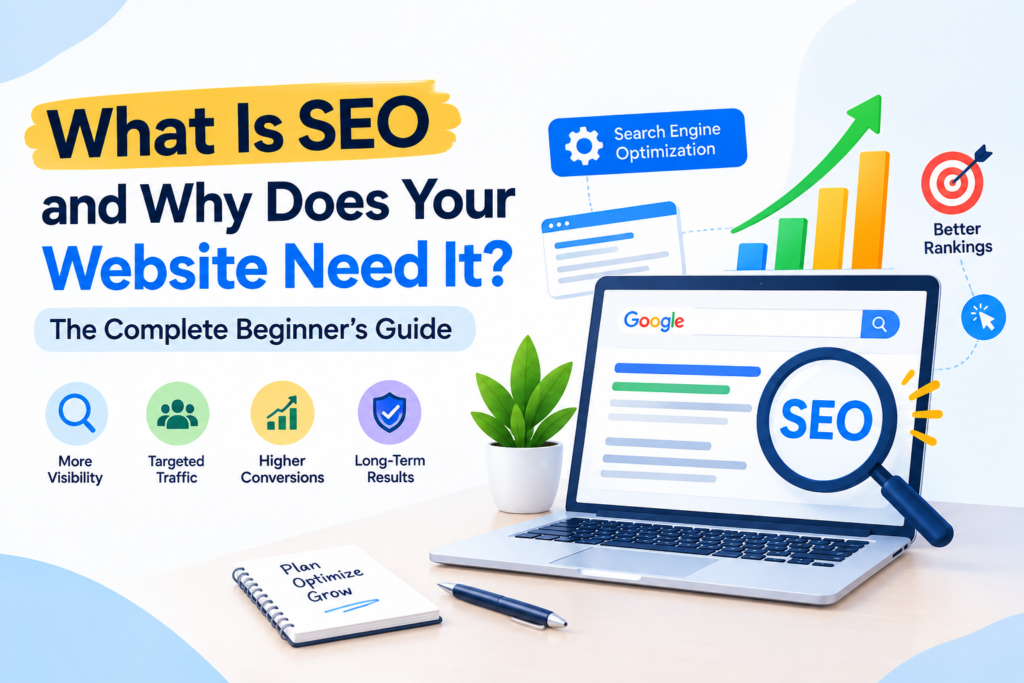
What Is SEO and Why Does Your Website Need It? The Complete Beginner’s Guide

What Is SEO and Why Does Your Website Need It? The Complete Beginner’s Guide for 2026 Meta Title: What Is SEO and Why Does Your Website Need It? | Beginner’s SEO Guide 2026 Meta Description: Discover what SEO is, how it works, and why it is essential for your website. Learn proven SEO strategies, benefits, best practices, and tips to improve your Google rankings and grow your business in 2026. What Is SEO and Why Does Your Website Need It? Introduction In today’s digital-first world, your website is often the first impression customers have of your business. However, even the most attractive website won’t generate leads or sales if people can’t find it. Every day, billions of searches are made on search engines, and users typically click on the first few results they see. If your website isn’t ranking well, you’re likely missing valuable opportunities to reach potential customers. This is where Search Engine Optimization (SEO) plays a vital role. SEO is the practice of improving your website so that it appears more prominently in search engine results when users look for information, products, or services related to your business. Rather than relying entirely on paid advertisements, SEO helps you attract visitors naturally through organic search. It is a long-term strategy that strengthens your online visibility, builds credibility, and drives consistent business growth. In this comprehensive guide, you’ll learn what SEO is, why it matters, how it functions, and the practical steps you can take to improve your website’s search performance in 2026. What Is SEO? Search Engine Optimization (SEO) is the process of enhancing a website to improve its visibility on search engines such as Google and Bing. The objective is to increase organic traffic by ensuring your website provides valuable, relevant, and trustworthy content that satisfies users’ search intent. SEO combines content optimization, website performance improvements, technical enhancements, and authority building. Together, these elements help search engines understand your website and determine where it should appear in search results. For example, if someone searches for “best SEO agency in India,” search engines evaluate hundreds of factors before deciding which websites deserve the top positions. A strong SEO strategy helps your business become one of those trusted results. Why Is SEO Important? SEO is more than improving rankings—it creates opportunities for sustainable business growth by connecting you with people actively looking for what you offer. 1. Increase Organic Traffic Most online journeys begin with a search engine. Appearing on the first page significantly increases the likelihood that users will visit your website. Organic traffic is particularly valuable because visitors are already interested in your products, services, or expertise. Unlike paid campaigns, you don’t pay for every visitor, making SEO a cost-effective marketing channel over time. 2. Build Trust and Authority Users naturally associate higher search rankings with credibility. When your website consistently appears among the top search results, customers are more likely to view your brand as reliable and professional. Publishing helpful, accurate, and original content strengthens your reputation while positioning your business as an industry expert. 3. Reach the Right Audience SEO targets users based on their search intent rather than interrupting them with advertisements. Whether someone wants information, compares products, or is ready to make a purchase, SEO helps your website appear at the right stage of the customer journey. This leads to more qualified traffic and higher conversion potential. 4. Improve User Experience Search engines reward websites that provide excellent experiences for visitors. A successful SEO strategy includes: When users enjoy browsing your website, they stay longer and are more likely to take action. 5. Deliver Long-Term Results Unlike advertising campaigns that stop producing traffic when your budget ends, SEO continues generating visitors long after optimization work has been completed. Although SEO requires patience, its long-term value makes it one of the smartest investments for any business. How Does SEO Work? Search engines use automated programs called crawlers to discover web pages across the internet. These crawlers: When someone performs a search, sophisticated algorithms analyze hundreds of ranking signals to deliver the most useful results. Important ranking factors include: Websites that consistently provide value are rewarded with better visibility. The Four Pillars of SEO 1. On-Page SEO On-page SEO focuses on optimizing everything users see on your website. This includes: Strong on-page optimization helps search engines understand the purpose of every page. 2. Off-Page SEO Off-page SEO refers to activities that strengthen your website’s authority beyond its own pages. Examples include: Quality backlinks signal to search engines that your website is trustworthy and valuable. 3. Technical SEO Technical SEO ensures search engines can efficiently crawl and index your website. Important technical improvements include: Without technical optimization, even excellent content may struggle to rank. 4. Local SEO Businesses serving specific locations benefit greatly from Local SEO. Local optimization includes: Local SEO helps nearby customers discover your business when searching online. Benefits of SEO A successful SEO strategy offers numerous advantages. Increased Website Visibility Higher rankings make it easier for customers to discover your business. Better Brand Recognition Repeated appearances in search results strengthen brand awareness. Higher Quality Traffic SEO attracts visitors who are actively searching for solutions. Greater Customer Trust Well-ranked websites often receive more credibility from users. Improved Conversion Rates Relevant traffic is more likely to become paying customers. Lower Marketing Costs Organic traffic reduces dependence on paid advertising. Sustainable Business Growth SEO continues generating value long after content is published. Proven SEO Best Practices Perform Keyword Research Understand exactly what your audience is searching for and create content around those topics. Publish Helpful Content Create original articles that answer questions, solve problems, and provide genuine value. Optimize Every Page Improve titles, headings, URLs, meta descriptions, and images for better visibility. Improve Website Speed Fast websites create better user experiences and improve search performance. Make Mobile Optimization a Priority Since most users browse on smartphones, responsive design is essential. Build High-Quality Backlinks Focus on earning links from reputable websites within your industry. Strengthen Internal Linking

Uncategorized

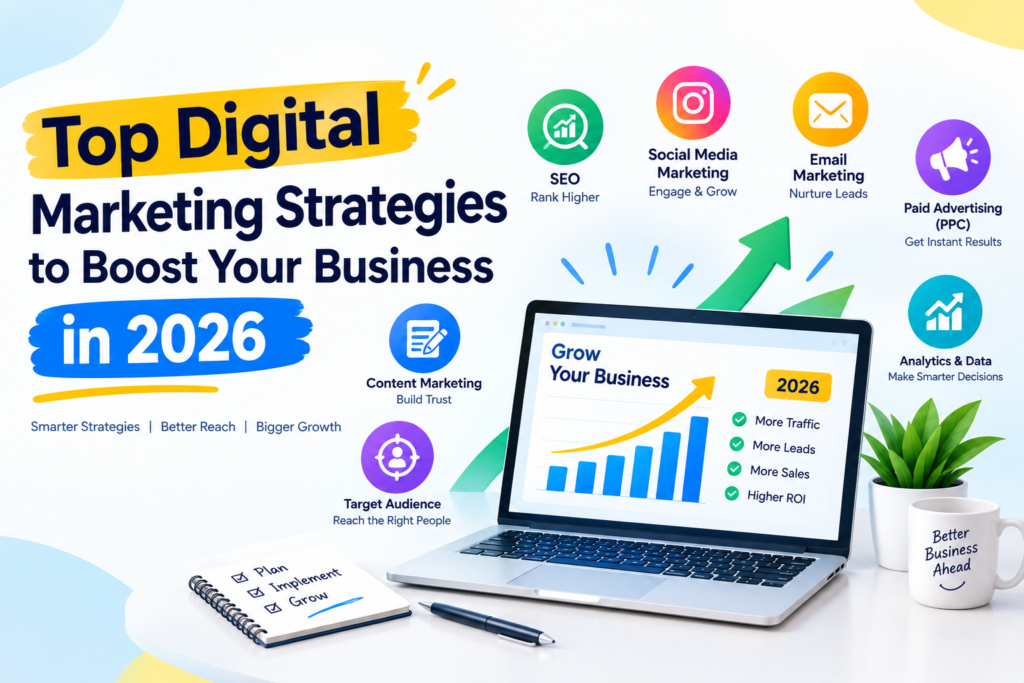
Top Digital Marketing Strategies to Boost Your Business in 2026

Top Digital Marketing Strategies to Boost Your Business in 2026 Introduction The digital marketing landscape is evolving at an unprecedented pace. As technology advances and consumer behavior shifts, businesses must adapt their marketing strategies to remain competitive. In 2026, simply having a website or social media profile is no longer enough. Customers expect personalized experiences, valuable content, seamless interactions, and quick responses across every digital platform. Whether you’re a startup, a small business, or an established enterprise, a well-planned digital marketing strategy can help you increase brand awareness, attract qualified leads, improve customer engagement, and drive sustainable growth. This guide explores the most effective digital marketing strategies for 2026 and explains how you can use them to strengthen your online presence and achieve long-term business success. 1. Prioritize Search Engine Optimization (SEO) Search Engine Optimization (SEO) remains one of the most cost-effective ways to attract potential customers. When your website ranks higher on search engines like Google, it becomes easier for people to discover your products and services without relying solely on paid advertising. How to Improve Your SEO Strategy Why SEO Matters SEO is a long-term investment that continues to provide value long after content is published. 2. Create High-Quality Content That Educates Your Audience Content marketing continues to play a central role in digital marketing success. People search online to solve problems, learn new skills, compare products, and make informed purchasing decisions. Businesses that consistently publish valuable content are more likely to gain customer trust. Effective Content Formats Best Practices Quality content not only improves search rankings but also establishes your brand as an authority in your industry. 3. Use Artificial Intelligence to Improve Marketing Performance Artificial Intelligence (AI) has become an essential tool for modern marketers. It helps businesses automate repetitive tasks, analyze customer behavior, and deliver personalized experiences at scale. Ways AI Supports Digital Marketing Using AI effectively allows marketing teams to save time while delivering better experiences for customers. 4. Strengthen Your Social Media Presence Social media platforms continue to influence how consumers discover and interact with brands. A consistent and engaging social media strategy helps increase visibility, build trust, and create meaningful relationships with your audience. Popular Platforms for Business Growth Tips for Better Results Rather than focusing on every platform, choose the ones where your target audience is most active. 5. Make Video Marketing a Core Strategy Video continues to dominate online content consumption. From product demonstrations to customer testimonials, videos help businesses communicate complex information quickly and effectively. Types of Videos That Perform Well Benefits of Video Marketing Short, informative videos optimized for mobile viewing are particularly effective in today’s digital environment. 6. Build Strong Customer Relationships Through Email Marketing Despite the rise of new marketing channels, email marketing remains one of the highest-performing digital marketing strategies. It enables businesses to communicate directly with customers and nurture long-term relationships. Email Marketing Best Practices Common Email Campaigns A well-planned email strategy keeps your audience engaged and encourages repeat business. 7. Invest in Pay-Per-Click (PPC) Advertising PPC advertising provides immediate visibility and allows businesses to target potential customers with precision. Unlike SEO, which requires time to build momentum, PPC can generate traffic almost instantly. Popular Advertising Platforms Tips for Successful PPC Campaigns When managed effectively, PPC campaigns can generate qualified leads and increase sales quickly. 8. Improve Your Local Online Visibility Local SEO helps businesses connect with nearby customers who are actively searching for products or services in their area. Local SEO Checklist A strong local presence helps increase visibility and attract customers who are ready to purchase. 9. Enhance Website User Experience A visually appealing website is important, but user experience (UX) determines whether visitors stay or leave. Fast-loading pages, intuitive navigation, and mobile-friendly design contribute to better engagement and higher conversions. Ways to Improve UX An exceptional user experience encourages visitors to explore your website and take action. 10. Optimize Conversion Rates Driving traffic to your website is valuable only if visitors convert into customers. Conversion Rate Optimization (CRO) focuses on improving the percentage of visitors who complete desired actions. Effective CRO Techniques Even small improvements in conversion rates can have a significant impact on business revenue. 11. Collaborate with Influencers Influencer marketing has evolved into a powerful way to reach highly engaged audiences. Consumers often trust recommendations from creators they follow more than traditional advertisements. Types of Influencers Choose influencers whose audience aligns with your target market and whose values reflect your brand. 12. Deliver Personalized Customer Experiences Modern consumers expect brands to understand their preferences. Personalization increases engagement and helps businesses build stronger customer relationships. Examples of Personalization Delivering relevant experiences at the right time can significantly improve customer satisfaction and loyalty. 13. Measure Performance with Analytics Successful digital marketing relies on data rather than assumptions. Regularly analyzing campaign performance helps businesses identify strengths, weaknesses, and opportunities for improvement. Important Metrics to Track Using analytics enables smarter decisions and more effective marketing investments. 14. Protect and Strengthen Your Online Reputation A positive online reputation can influence purchasing decisions and improve customer confidence. Reviews, testimonials, and social proof play an important role in building trust. Reputation Management Tips Businesses with strong reputations often experience higher customer retention and increased referrals. 15. Stay Ahead of Emerging Digital Trends Digital marketing continues to evolve as new technologies and platforms emerge. Businesses that embrace innovation are better positioned to outperform competitors. Trends Shaping 2026 Remaining adaptable ensures your marketing strategy stays relevant in a rapidly changing marketplace. Common Digital Marketing Mistakes to Avoid Even well-planned campaigns can fail if common mistakes are overlooked. Avoid these pitfalls: Avoiding these mistakes can help maximize your marketing efforts and improve overall results.

Uncategorized

Digital Marketing: The Complete Guide to Growing Your Business Online

Introduction In today’s fast-paced digital world, businesses must establish a strong online presence to remain competitive. Traditional marketing methods such as newspapers, television, and radio are still relevant, but they no longer offer the reach, targeting, and measurable results that digital marketing provides. Whether you are a startup, a small business, or a large enterprise, digital marketing has become an essential tool for attracting customers, building brand awareness, and increasing sales. Digital marketing refers to the promotion of products or services using digital channels such as search engines, social media platforms, websites, email, and mobile applications. It enables businesses to connect with their target audience where they spend most of their time—online. From improving search engine rankings to creating engaging social media campaigns, digital marketing offers endless opportunities to grow your business. This guide explores everything you need to know about digital marketing, including its importance, types, benefits, strategies, and future trends. What is Digital Marketing? Digital marketing is the process of promoting products, services, or brands through digital technologies and online platforms. Unlike traditional marketing, digital marketing allows businesses to reach highly targeted audiences, monitor campaign performance in real time, and optimize strategies based on data. Some of the most common digital marketing channels include: Businesses use these platforms to attract potential customers, generate leads, increase website traffic, and boost revenue. Why Digital Marketing is Important Digital marketing has transformed how businesses communicate with customers. People now research products, compare prices, read reviews, and make purchases online. Businesses that fail to build an online presence risk losing customers to competitors. Here are several reasons why digital marketing is essential: 1. Global Reach A business with a website can reach customers worldwide. Unlike traditional advertising, digital marketing removes geographical barriers. 2. Cost-Effective Marketing Digital marketing is more affordable than traditional advertising. Small businesses can compete with larger companies through SEO, content marketing, and social media without spending huge amounts of money. 3. Targeted Advertising Businesses can target audiences based on: This ensures marketing budgets are spent efficiently. 4. Measurable Results Unlike newspaper or television ads, digital marketing provides detailed analytics including: These insights help businesses improve campaign performance. 5. Better Customer Engagement Businesses can interact with customers instantly through social media comments, messages, live chats, and emails, building trust and long-term relationships. Major Types of Digital Marketing 1. Search Engine Optimization (SEO) SEO is the process of improving a website’s visibility on search engines like Google. Higher rankings increase organic (free) traffic. Types of SEO On-Page SEO Off-Page SEO Technical SEO Benefits of SEO 2. Content Marketing Content marketing focuses on creating valuable and informative content that attracts and retains customers. Examples include: Quality content helps answer customer questions, improves SEO, and builds brand authority. Benefits 3. Social Media Marketing (SMM) Social media marketing involves promoting businesses on social media platforms. Popular platforms include: Businesses use social media to: Advantages 4. Pay-Per-Click Advertising (PPC) PPC is a paid advertising model where advertisers pay only when users click their ads. Popular PPC platforms include: Benefits 5. Email Marketing Email marketing remains one of the highest-return digital marketing channels. Businesses send personalized emails to nurture leads and maintain customer relationships. Types of email campaigns include: Benefits 6. Affiliate Marketing Affiliate marketing allows individuals or businesses to earn commissions by promoting another company’s products or services. Affiliates use: Businesses benefit by paying commissions only when sales are generated. 7. Influencer Marketing Influencer marketing involves collaborating with content creators who have loyal followers. Influencers help businesses: Micro-influencers often deliver strong engagement due to their close relationships with audiences. 8. Video Marketing Video content has become one of the most powerful marketing tools. Popular video platforms include: Businesses create: Videos increase engagement and improve conversion rates. Key Components of a Successful Digital Marketing Strategy Know Your Target Audience Understanding customer needs is the foundation of successful marketing. Research: Build a Professional Website Your website serves as your digital storefront. It should be: Create High-Quality Content Content should educate, inform, and solve customer problems. Examples include: Consistent publishing improves authority and search rankings. Optimize for Search Engines SEO should be integrated into every webpage. Focus on: Use Multiple Marketing Channels Avoid relying on one platform. Combine: An integrated approach produces better results. Benefits of Digital Marketing Digital marketing offers numerous advantages for businesses of all sizes. Increased Brand Awareness A strong online presence helps more people discover your business. Better Customer Relationships Businesses communicate directly with customers through social media, chat, and email. Higher Conversion Rates Targeted campaigns reach people who are already interested in your products or services. Improved Customer Insights Analytics reveal customer preferences and behaviors, enabling smarter marketing decisions. Scalability As your business grows, digital marketing campaigns can be expanded to reach new audiences and markets. Common Digital Marketing Mistakes to Avoid Many businesses fail to achieve results because of avoidable mistakes. Ignoring SEO Without SEO, even excellent websites struggle to attract organic traffic. Poor Website Experience Slow-loading or confusing websites increase bounce rates and reduce conversions. Inconsistent Branding Maintain consistent logos, colors, fonts, and messaging across all platforms. Posting Without a Strategy Random social media posts rarely achieve business goals. Create a content calendar aligned with your objectives. Not Tracking Performance Use analytics tools to monitor traffic, conversions, and engagement so you can refine your campaigns. Emerging Trends in Digital Marketing Digital marketing is constantly evolving. Staying updated with new trends helps businesses stay competitive. Artificial Intelligence (AI) AI powers: Voice Search Optimization As voice assistants become more popular, businesses should optimize content for conversational search queries. Short-Form Video Content Platforms like Instagram Reels, YouTube Shorts, and TikTok continue to dominate user engagement. Personalization Customers expect personalized experiences based on their interests, browsing history, and previous purchases. Marketing Automation Automation tools help businesses schedule posts, send emails, nurture leads, and streamline repetitive tasks. How to Get Started with Digital Marketing If you’re new to digital marketing, follow these steps: Conclusion Digital marketing has become an essential part of modern business success.

Scroll to Top